
The Science of Bee Venom: Exploring the Potential of Mellitin:
Explore the natural healing power of Bee Venom as a holistic alternative in cancer care. Learn how this gift from nature works in harmony with the body.
For centuries, Bee Venom has been used world wide as a natural alternative medicine. Today, increasing interest in its ability to target cancer cells is finally validating what traditional healers have known for ages: nature provides the most potent remedies.
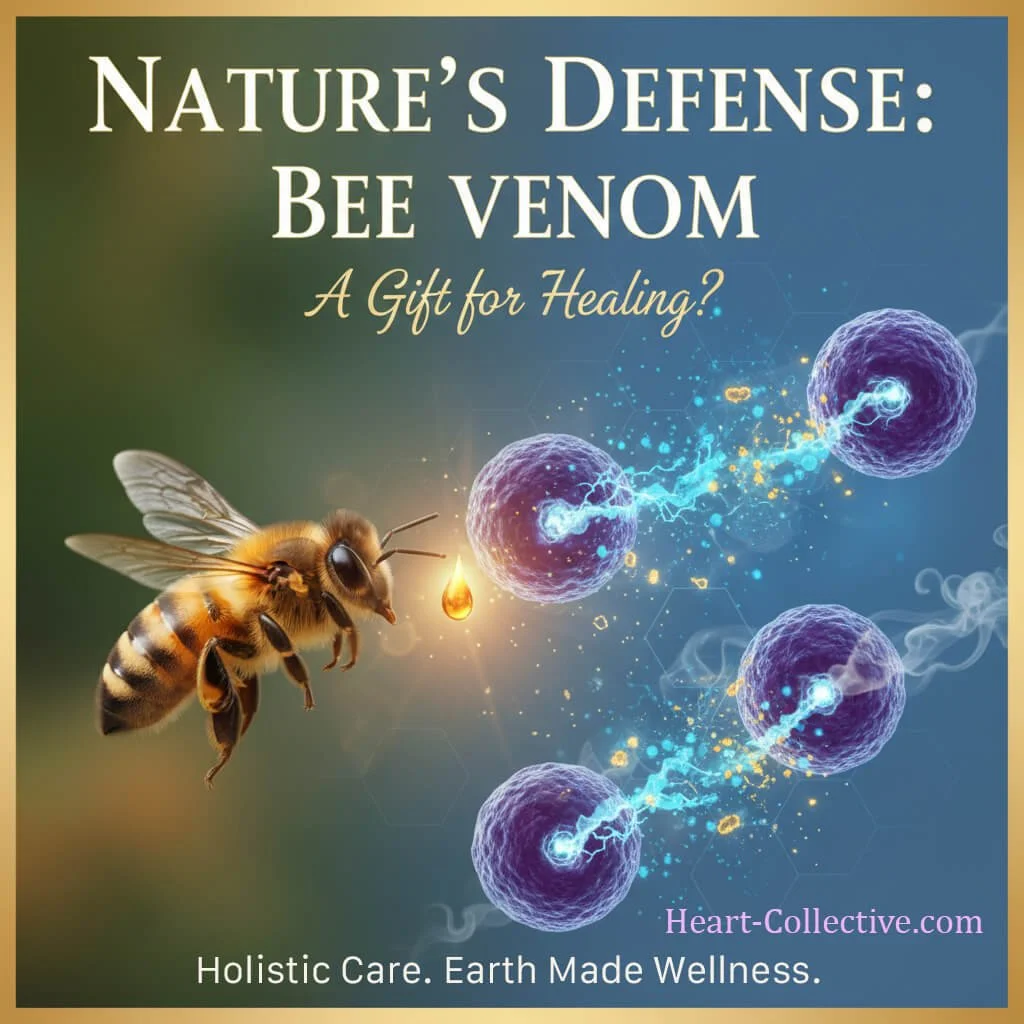
History of Bee Venom Use
The use of Bee Venom for medicinal purposes dates back thousands of years, with its first mostly known documented use in ancient Egypt. Since then, it has been used for various purposes in traditional healing systems, particularly in Europe and Asia. In traditional Chinese medicine, for example, bee venom is used to reduce inflammation and treat a wide variety of ailments, including cancer. It has long been believed to stimulate the immune system, enhance blood circulation and reduce inflammation, as well as being a topical analgesic. Humans have been benefiting from bees and their nourishing superfoods since the beginning of human life on earth. From Cleopatra using honey to keep her youthful glow to Hippocrates prescribing propolis to remedy everything from sores to bacterial infections.
Bee Venom and Skin Cancer Studies:
Skin cancer is the most frequent type of cancer in the United States, with around one in every five Americans expected to develop the ailment before the age of 70. Bee venom is a natural chemical that has shown promise in treating skin cancer. (Learn More)
Honey Bee Venom (HBV, Apis mellifera) is a bitter, colorless liquid, and its active portion contains a mixture of proteins, such as phospholipase and melittin. Melittin is known as a powerful anti-cancer peptide. Bee Venom acupuncture and melittin have been used to control neuropathy caused by cancer chemotherapy. It turns out that melittin, for example, is a pretty powerful anti-inflammatory compound that triggers the body to produce cortisol and is estimated to be 100 times more potent than cortisone. It may be a potential treatment against bacterial and fungal infections because of its antimicrobial properties; in the right dose, the toxin weakens a cell until it pops, and it's that ability to destroy one cell without damaging another that prompted scientists to explore its efficacy against diseases including certain types of arthritis and cancers, in addition to HIV and the aforementioned multiple sclerosis (MS).
Recent studies have demonstrated that the venom from honeybees can be effective in treating various types of cancer. This is because bee venom contains a number of biologically active compounds, such as melittin, apamin, adolapin and phospholipase A2 (PLA2) which have been shown to have anti-cancer properties. For example, PLA2 has been found to induce apoptosis (cell death) in certain types of cancer cells, while melittin has been found to inhibit the growth of certain cancers. In addition, bee venom has been observed to be able to stop cancer cells from metastasizing (spreading to other parts of the body).
Bee Venom and Breast Cancer: Could Melittin Be a Breakthrough?
What the Scientific Research Shows So Far:
“A landmark study published in Nature by scientists at the Harry Perkins Institute of Medical Research in Australia found that melittin was especially effective against triple-negative and HER2-positive breast cancers in the lab. Within minutes, melittin was able to punch holes in the membranes of these cancer cells, while leaving most normal breast cells largely unharmed.”
“The lead author on the study at the Harry Perkins Institute of Medical Research in Western Australia, Dr. Ciara Duffy explained, “The venom was extremely potent.” At the right concentration, it achieved 100% cancer cell death in lab tests without significant damage to normal tissue.”
Nature’s Defense: Can Bee Venom Be a Gift for Healing?
I have always believed that our bodies are made from the Earth, and therefore, what comes directly from the Earth is what allows us to truly thrive. In my journey of advocating for natural, holistic care, I look to the things God created to help heal the body as a whole. One of the most fascinating "gifts" from nature currently being studied is bee venom.
A Natural Response: Understanding the Sting
When a bee stings, it’s a powerful biological event. For most, the stinger entering the skin causes a localized reaction—inflammation, itching, swelling, and redness. While deaths from stings are rare, some individuals carry hyaluronidase-specific IgE antibodies, which trigger these allergic responses.
Because of this, many who seek the healing benefits of bee venom therapy choose to be monitored by a holistic doctor. This ensures that the body’s response is supported safely while tapping into the therapeutic potential of the venom.
Challenging the Status-Quo of Healing
For too long, we have relied almost exclusively on man-made, lab-created treatments. We know that mainstream chemotherapy is a massive industry, often involving drastic measures that can be incredibly hard on the human spirit and body.
In my research, I’ve found bee venom to be a compelling, complementary treatment for cancer. Unlike the heavy side effects associated with mainstream "big-money" treatments, studies on bee venom have reported few side effects beyond the temporary, localized allergic reactions.
How Bee Venom Works with the Body
Nature’s design is often more precise than we give it credit for. The primary component of bee venom, melittin, works in harmony with the body’s need to eliminate "bad" cells:
Selective Action: In laboratory settings, bee venom has shown an ability to target and "punch holes" in cancer cell membranes, effectively stopping them in their tracks.
Synergy: It works beautifully alongside other treatments, often acting as a key that "unlocks" cancer cells, making them more vulnerable to healing.
Zero Synthetic Chemicals: It is a pure, earth-born substance, used exactly as it was designed.
My Philosophy: Healing the Whole
I advocate for the body as a whole. I believe that when we use what God has provided, we are honoring the design of our creation. Bee venom therapy represents a shift away from the "drastic" and toward the "direct"—using the tools of the Earth to encourage the body to return to its natural state of health.
While the world of mainstream medicine continues to focus on synthetic solutions, I will continue to share findings that point us back to the garden and the hive.

How To Harvest Bee Venom:
Dried venom is mostly light yellow color and it also can be of brown color, due to oxidation of some of the venom proteins.
Honey bees can sting as many as 10 times, under the right circumstances. Some Bee Therapies use the Bee directly by holding it in tweezers and have it sting a direct location. While in the wild it's unusual for the full contents of the venom sac to be used in one sting, it is not unusual for therapy bees to do so, producing between 0.15 and 0.3 grams of venom per sting. Depending on the individual and the condition being treated, the BVT schedule may vary; it could be as many as hundreds of stings per week. While that may sound like a lot of stings, on average, an adult can safely withstand the effects of 10 bee stings per every 1 pound of his or her body weight.
Bee Venom Collector:
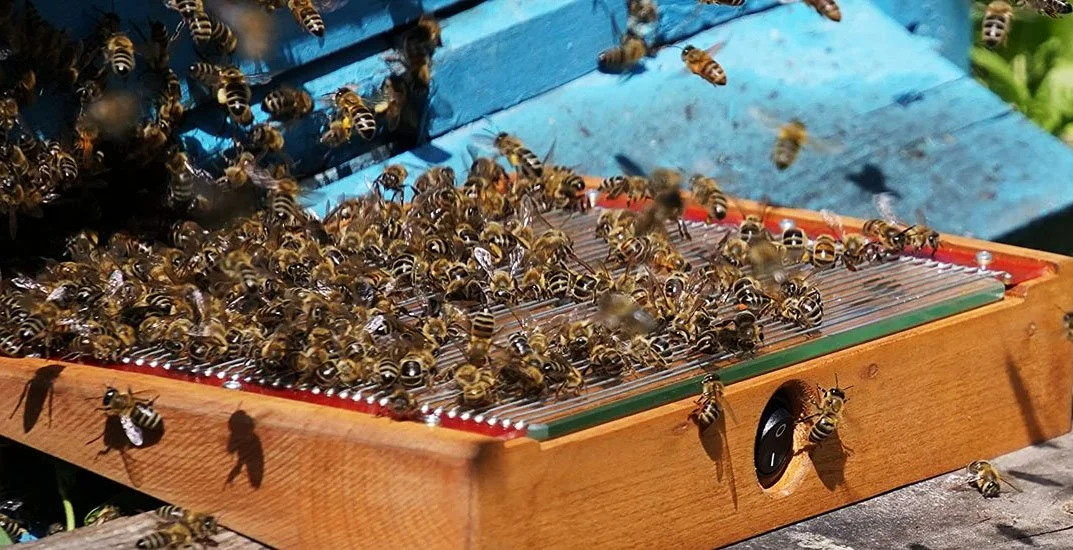
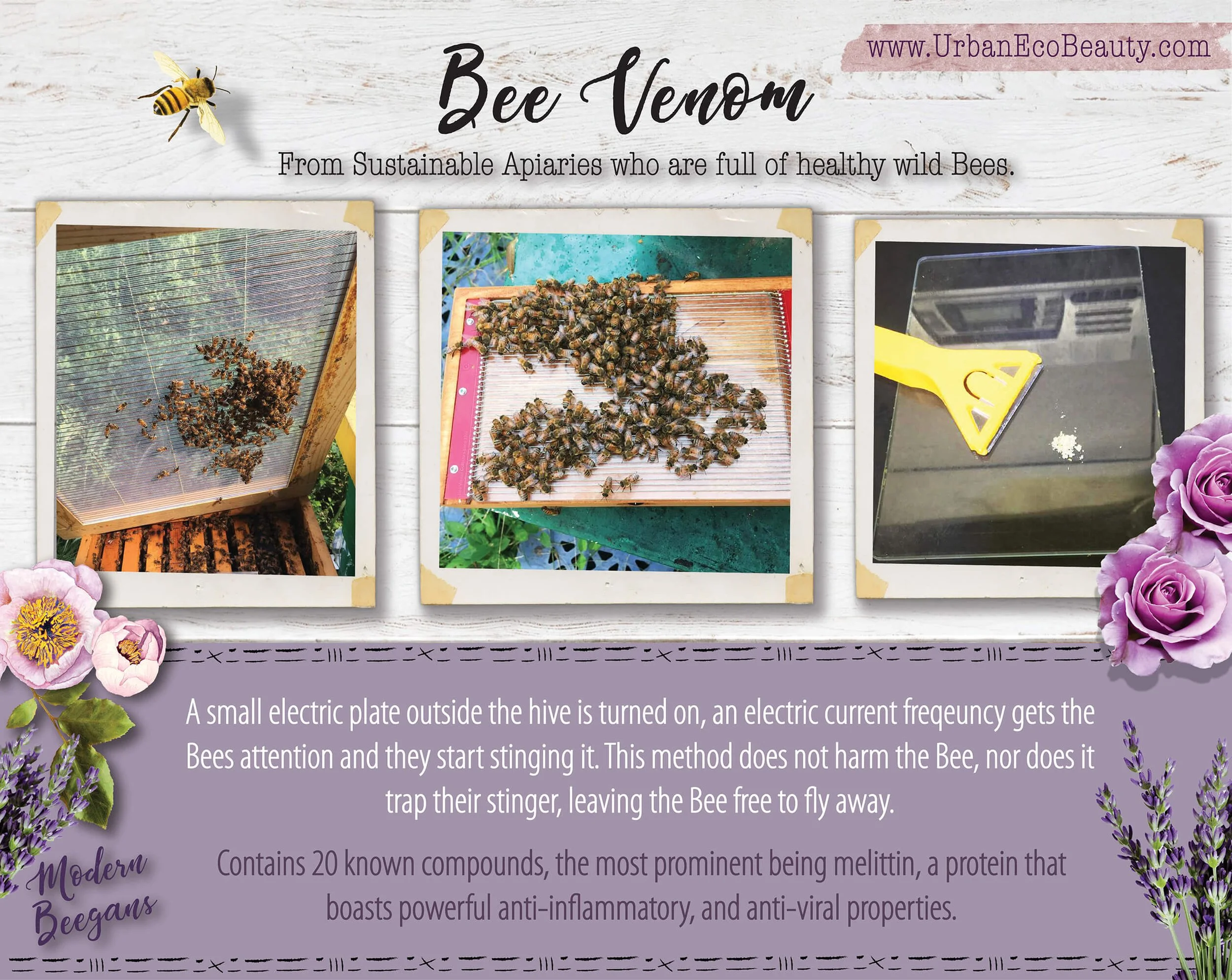
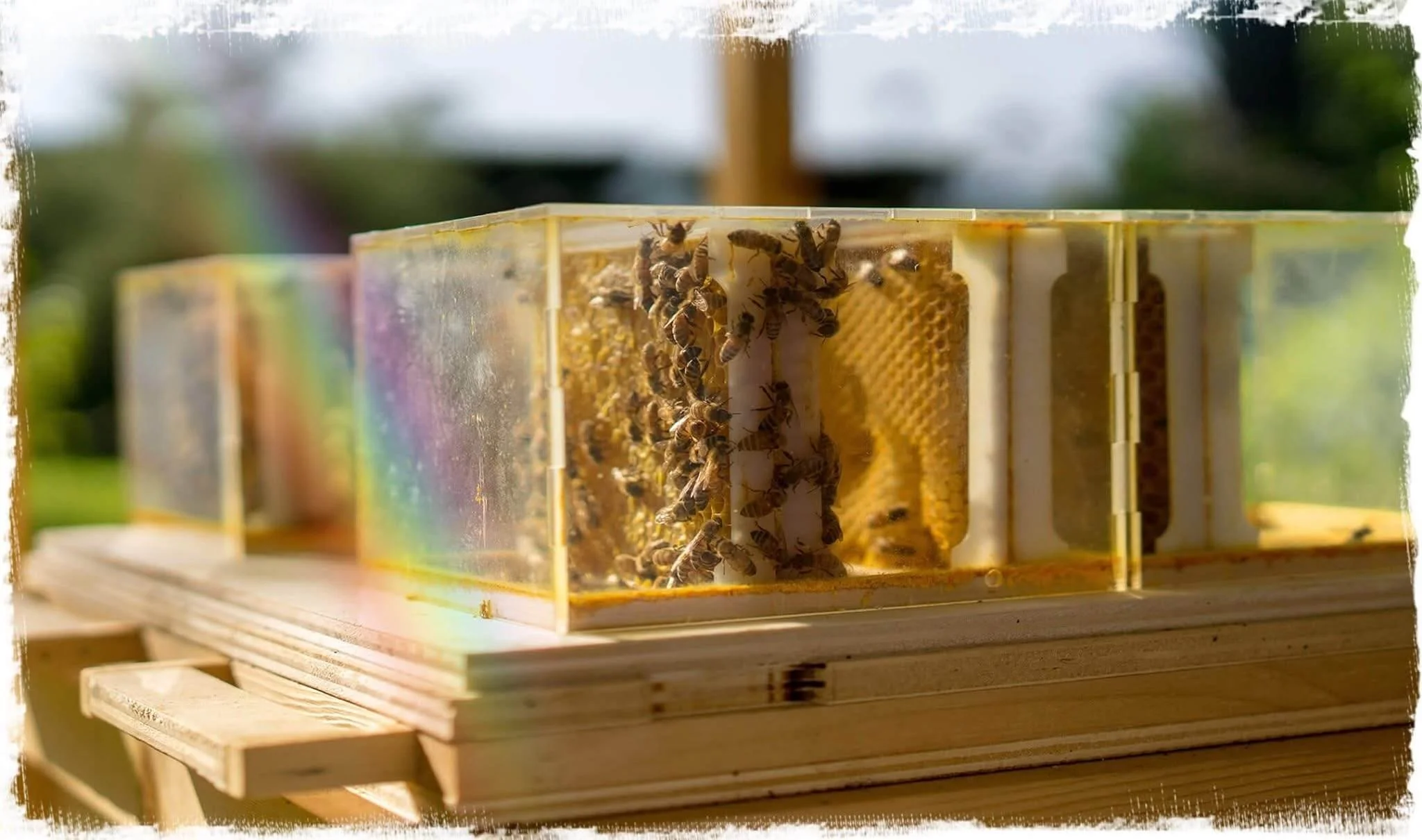
Some bee keepers use internal devices, where they place collection plates right inside their bee hives. These glass plates use harmless electrical currents, but this is not entirely safe for the bees, because some bees can die if they are stung by other bees during the frenzy.
Others use a battery-powered collector which is placed outside the hive, near the entrance. It works by using a small pulsation that is so low that the bee doesn't even realise it. It's only one in 10,000 bees that actually react to it and they spray the device with a pheromone. The pheromone then attracts other bees out of the hive and they attack the collector. The insects sting the glass plate which collects the venom, and does not hurt the bees. The harvesting process can take less than an hour, and the bee venom is then scraped from the glass plate and can sell for more than $120 per gram.
It was a common misconception that bees died when they deployed their sting. Bees instead can die when they sting someone directly because bees have a barbed stinger tip, so when they sting someone this can hook into the flesh, and then the bee is ripped apart and so the bee dies.
Bee Venom Health Study Finds:
Bee venom contains at least 18 pharmacologically active components including various enzymes, proteins, peptides, amines and mineral. Bee venom is safe for human treatments, the median lethal dose (LD50) for an adult human is 2.8 mg of venom per kg of body weight.
As compared with other human diseases, accidents and other unusual cases, the bee venom is very safe for human treatments.
Bee venom components were reported to have a wide variety of pharmaceutical properties. Due to its anticoagulant and anti-inflammatory properties in apitherapy bee venom was mainly used to treat many inflammatory disorders such as arthritis, bursitis, tendinitis, dissolving scar tissue, herpes, joint disease, rheumatoid arthritis, Lyme disease, Multiple Sclerosis and osteoarthritis. Furthermore, research in various animal experimental models with inflammatory diseases demonstrated that Bee venom administration was successfully effective in suppressing the inflammation. Several studies prove that bee venom PLA2 and melittin may be a new therapeutic approach to treatment of Alzheimer Parkinson diseases.
The main component of bee venom is melittin.
Bees with an aggressive stinging action produce a more-complex protein-rich venom.
In high temperatures, bees produced less venom and docile bees produced less, but other management factors like diet didn’t really affect the volume of venom.
Most of the notable and exciting news have spread on September 2, 2020 that bee venom can kill severe form of breast cancer! Honeybee venom and melittin suppress the activation of EGFR and HER2 by interfering with the phosphorylation of these receptors in the plasma membrane of breast carcinoma cells. The honeybee extracts were found to be “extremely potent”, said Ciara Duffy, a 25-year-old PhD researcher who led the study in the Harry Perkins Institute of Medical Research in Western Australia.
Bee Venom against Cancer and Breast Cancer: Bee venom and melittin have been confirmed to be effective.
SARS study: Bee Venom Medicine Candidate
Bee Venom used to fight off diseases.
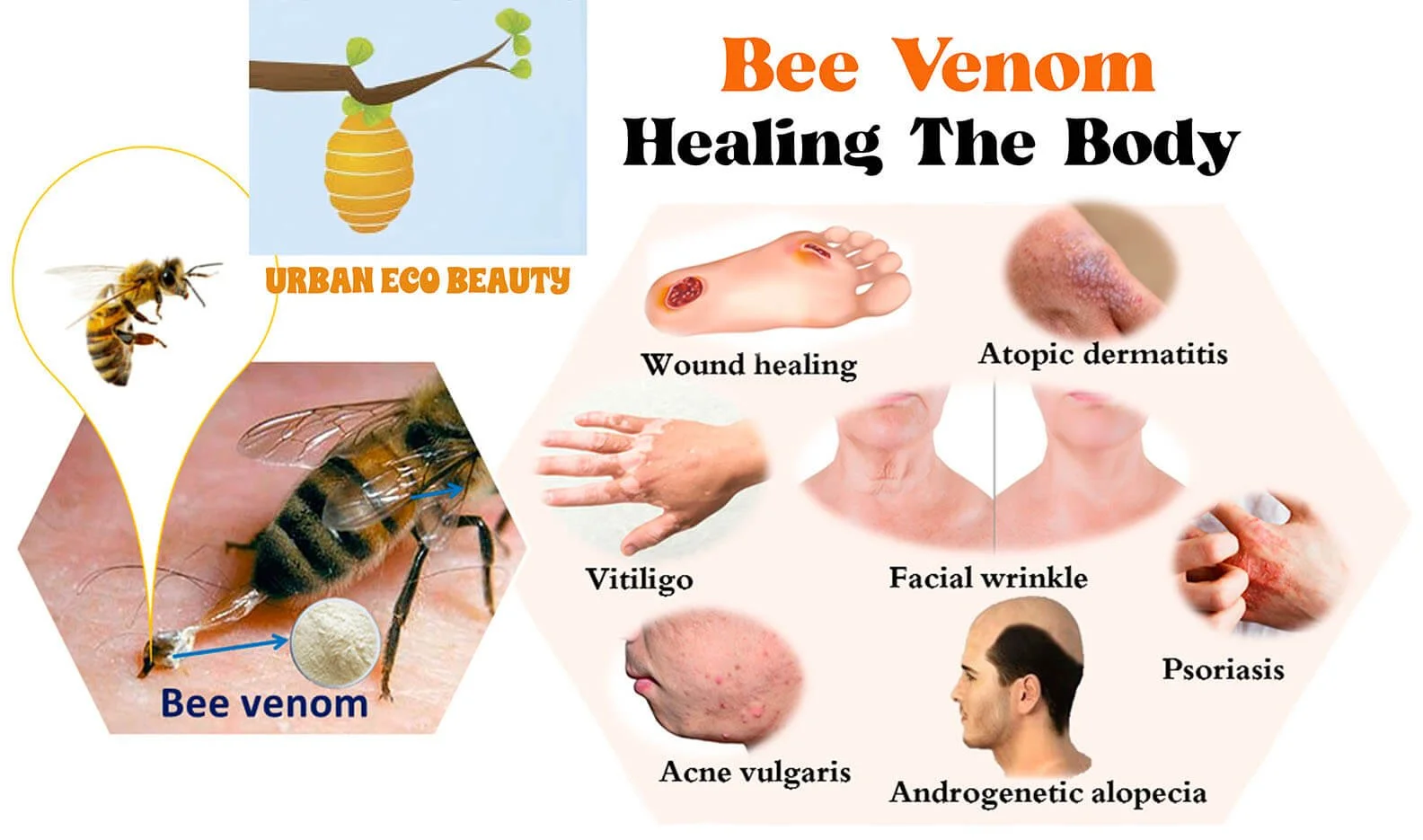
Bee Venom is used as an active component in cosmetic formulations such as: facial creams, balms, masks and serums according to its protecting properties against bacteria and skin inflammation.
Scientific studies have found that bee venom plays a vital role in reducing the appearance of aging in the skin. It diminishes the look of fine lines, wrinkles, and loose skin, leaving your complexion more radiant.
Though modern systems often mock or sideline natural healing, our bodies still recognize the earth they came from. We weren't made for a life of synthetic reliance; we were made to be whole. Let’s reclaim the health that was designed for us from the start.
The Tiny Messengers of a Great Creator
When we look into the intricate world of the honeybee, we see more than just an insect—we see the intentionality of a Master Artist. God created these small, tireless creatures to be the heartbeat of our ecosystem, gifting them with the wisdom to transform the nectar of His flowers into liquid gold.
Manuka honey isn't just a happy accident of nature; it is a divine provision. From the way they communicate through dance to the complex chemistry of the hive, bees remind us that nothing in creation is too small to be significant. They serve as a bridge between the botanical world and our own well-being, gathering the healing essence of the Earth and delivering it to our hands.
As we enjoy the benefits of Manuka honey, we honor the One who designed the bee, the venom, the blossom, and the beautiful harmony between them.

Medical Disclaimer The information provided on this website is for educational purposes only and is not intended as medical advice, diagnosis, or treatment. Always seek the advice of your physician or other qualified health provider with any questions you may have regarding a skin condition.
FDA Disclosure Statements made regarding our organic skincare products have not been evaluated by the Food and Drug Administration. Our products are not intended to diagnose, treat, cure, or prevent any disease.